Cypriot Tort Law

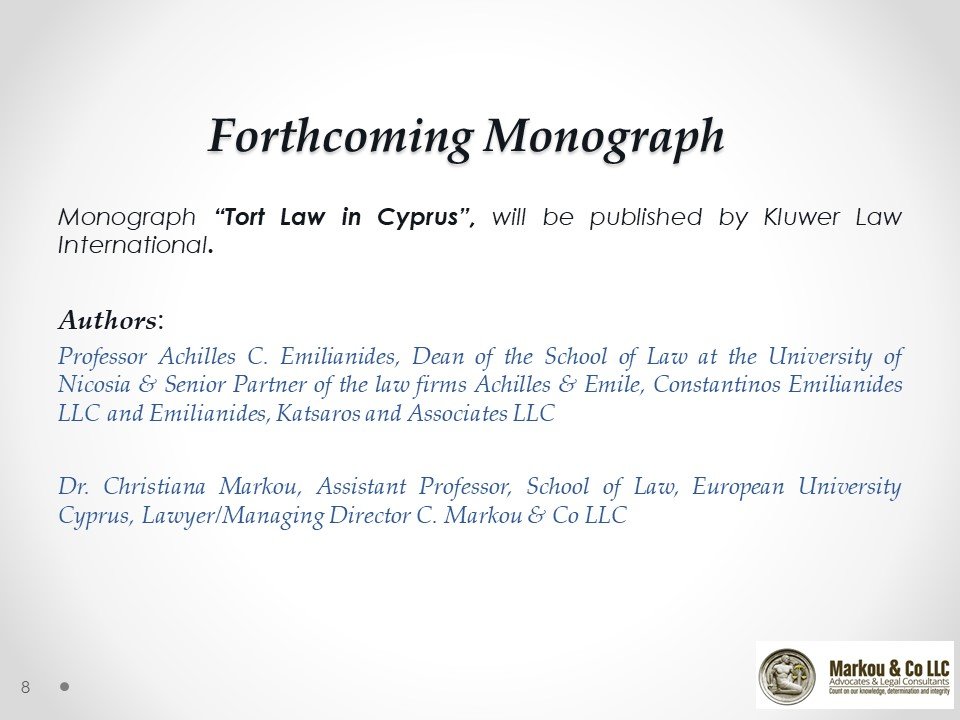
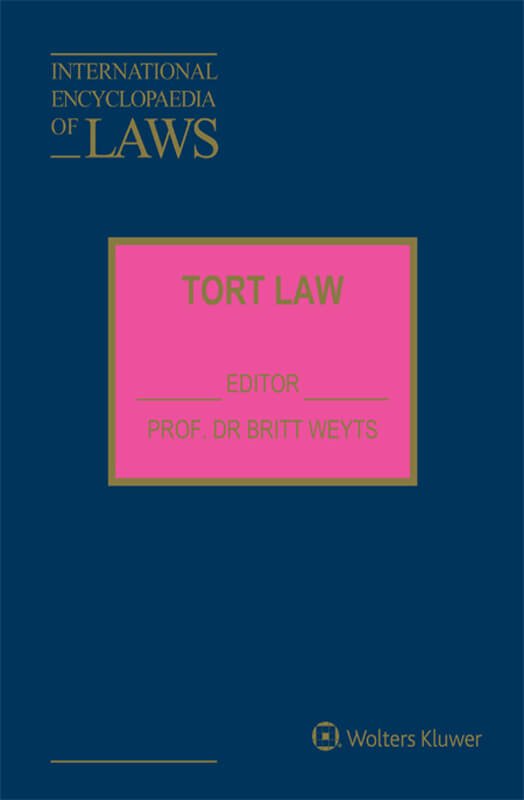
The lawyer of our office, Christiana Markou has written a monograph with Achilles Emilianides on Tort Law published by Kluwer.

The book consists of an extensive analysis of Cypriot tort law. It is the first time that a comprehensive monograph about Cypriot tort law has been published in the English language.

Largely based on the English common law, Cypriot tort law has been codified in statutory legislation but is supplemented by the application of common law rules. The Cypriot courts have relied to a large extent on the development of the English case law in order to develop their own case law. The authors’ experience as both academics and practising advocates, as well as their experience in lecturing in both English and Cypriot tort law, has been instrumental in the completion of this volume (extract from the Preface).

For more information about the book, you can visit the relevant web page of the publisher here:
https://kluwerlawonline.com/EncyclopediaChapter/IEL+Tort+Law/TORT20200029

New publication announcement

The lawyer of our office, Christiana Markou has written a chapter on data retention in Cyprus following relevant CJEU case law, which is finally out in a book titled “European Constitutional Courts towards Data Retention Laws” published by Springer. The chapter illustrates her views on the subject expressed in talks a few years ago, namely that Cypriot case law in the context of certiorari applications against court orders giving the police access to telecommunication and internet usage data has been developing in the wrong direction.

The chapter aims at describing the Cypriot data retention regime contained in Law 183(I)/2007, which transposes the Data Retention Directive into Cyprus law, as developed through case law from the transposition of the Directive to a very recent Supreme Court judgement. The latter judgement seems capable of putting an end to the wrong direction towards which case law has been heading so far and marking the beginning of a new era of data retention. The chapter starts with the period beginning with the introduction of Law 183(I)/2007 and ending with the 2014 CJEU ruling annulling the Data Retention Directive, and then proceeds with the period beginning with the said ruling and finishing with the 2018 Supreme Court judgement. It is demonstrated that the case law has wrongly regarded Law 183(I)/2007 as having remained unaffected by the annulling CJEU ruling and has thus continued upholding court orders allowing access to retained data even after a more recent CJEU judgement in which a general and indiscriminate data retention obligation has explicitly been stated to be incompatible with the EU Charter. The chapter finishes with a discussion on the possible practical effects of the 2018 Supreme Court judgement on data retention in Cyprus as well as on the possible upcoming amendments at national and the EU level, which should be expected to clearly set the boundaries of data retention and establish legal certainty. It should however been clarified that this chapter is based on the state of the relevant law as of April 2018. Developments have taken place during the publication process which prevented or delayed the change that the present author illustrates as possible following the 2018 Supreme Court decision. More specifically, the certiorari application filed in context of the relevant case has been withdrawn and the state of the law regarding data retention in Cyprus has remained unchanged. However, the matter is currently pending before the Supreme Court of Cyprus sitting as a full bench court and remains to be seen whether there will be a change of approach. It is hoped that a development at EU level, namely the decision of the CJEU in C-207/16 Ministerio Fiscal should not be taken as entailing a deviation of the European Court from its previous case law; said decision concerns a very specific question relating to access to data only and the CJEU expressly emphasizes in paragraph 49 of its judgement that the question before it did not concern with the legality of the retention of the data at all.

For more on the chapter and the book, you can visit the relevant web page of the publisher here: https://link.springer.com/chapter/10.1007/978-3-030-57189-4_6

Ακύρωση Απόρριψης Προσφοράς σε Διαγωνισμό Δημόσιας Σύμβασης

To διοικητικό δικαστήριο εξέδωσε στις 26/10/2020 την απόφαση του στην προσφυγή υπ’ αριθμό 1128/2016 που χειρίστηκε το γραφείο μας εκ μέρους της Αιτήτριας εργοληπτικής εταιρείας, η οποία αφορούσε σε απόφαση απόρριψης προσφοράς σε διαγωνισμό δημόσιας σύμβασης για την εκτέλεση κατασκευαστικού έργου. Η προσφυγή πέτυχε και η προσβαλλόμενη πράξη ακυρώθηκε στη βάση του ότι υπήρξε πλάνη περί τα πράγματα και παραβίαση των επιταγών του περί δημοσίων συμβάσεων νόμου.

Tourism Law in Europe and Latin America

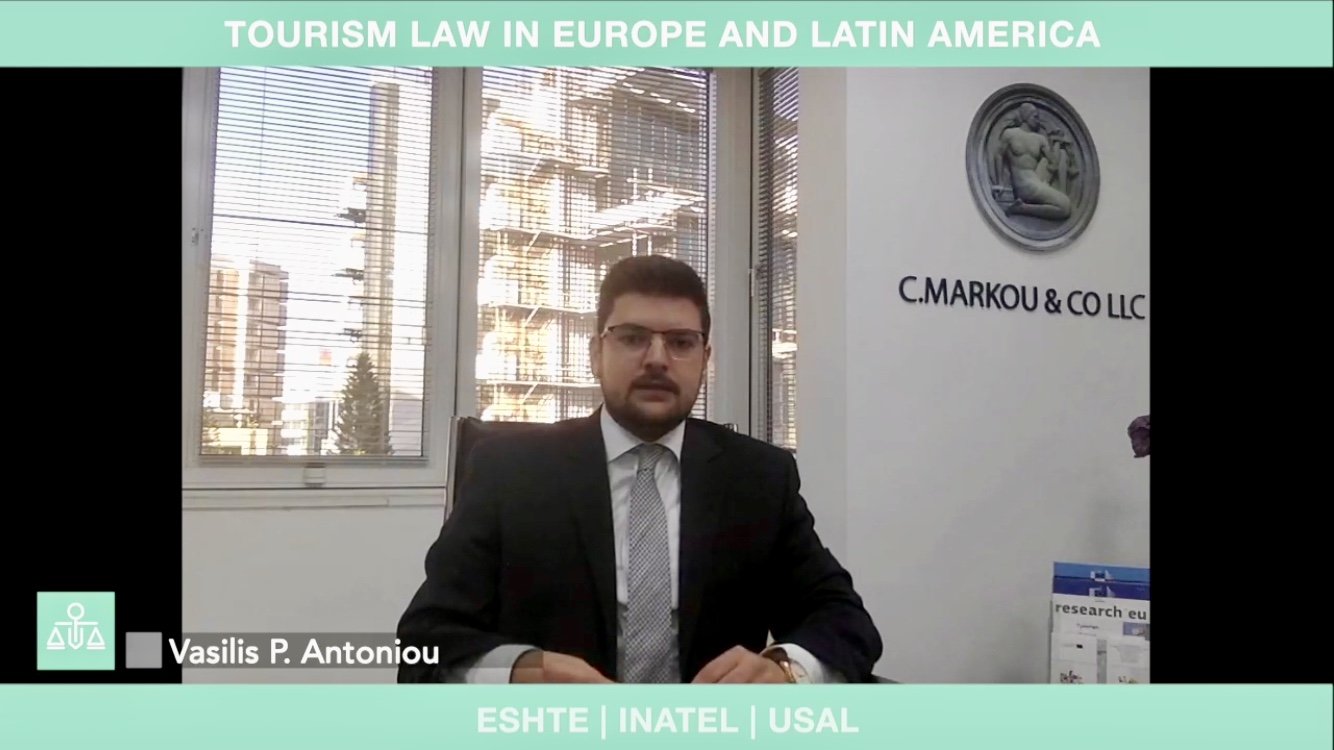
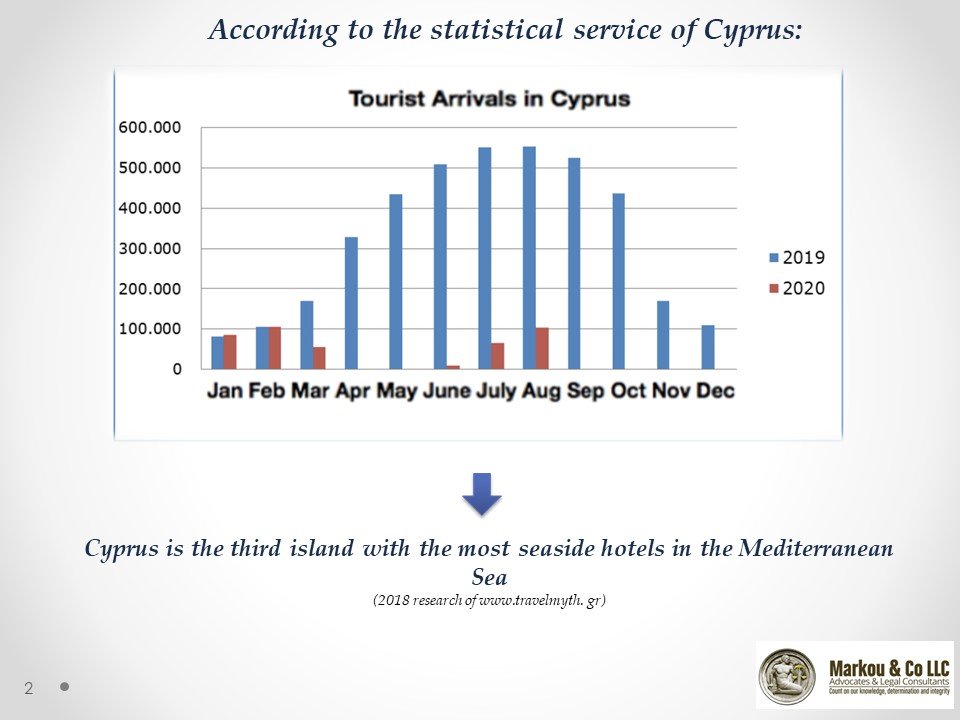
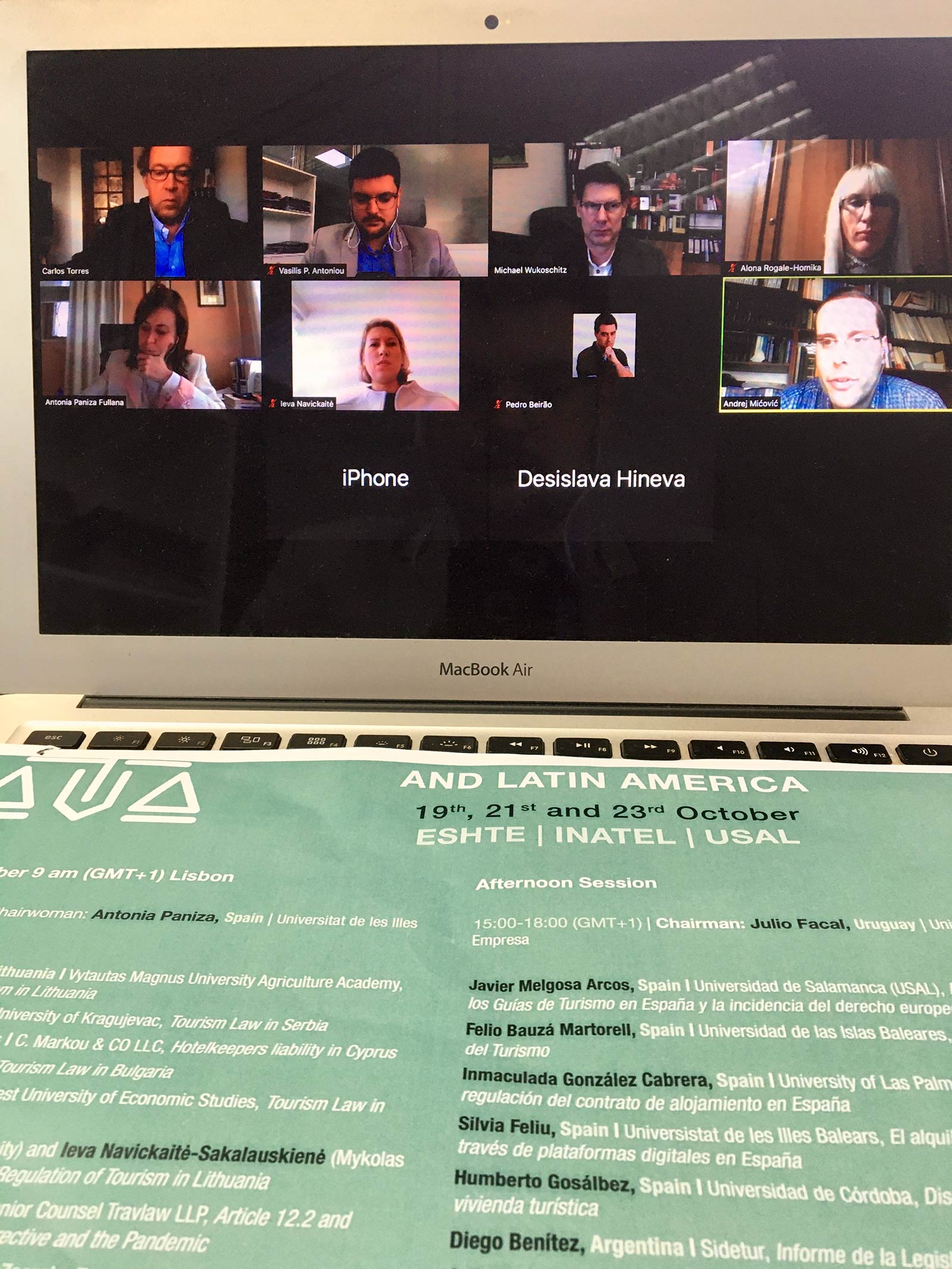
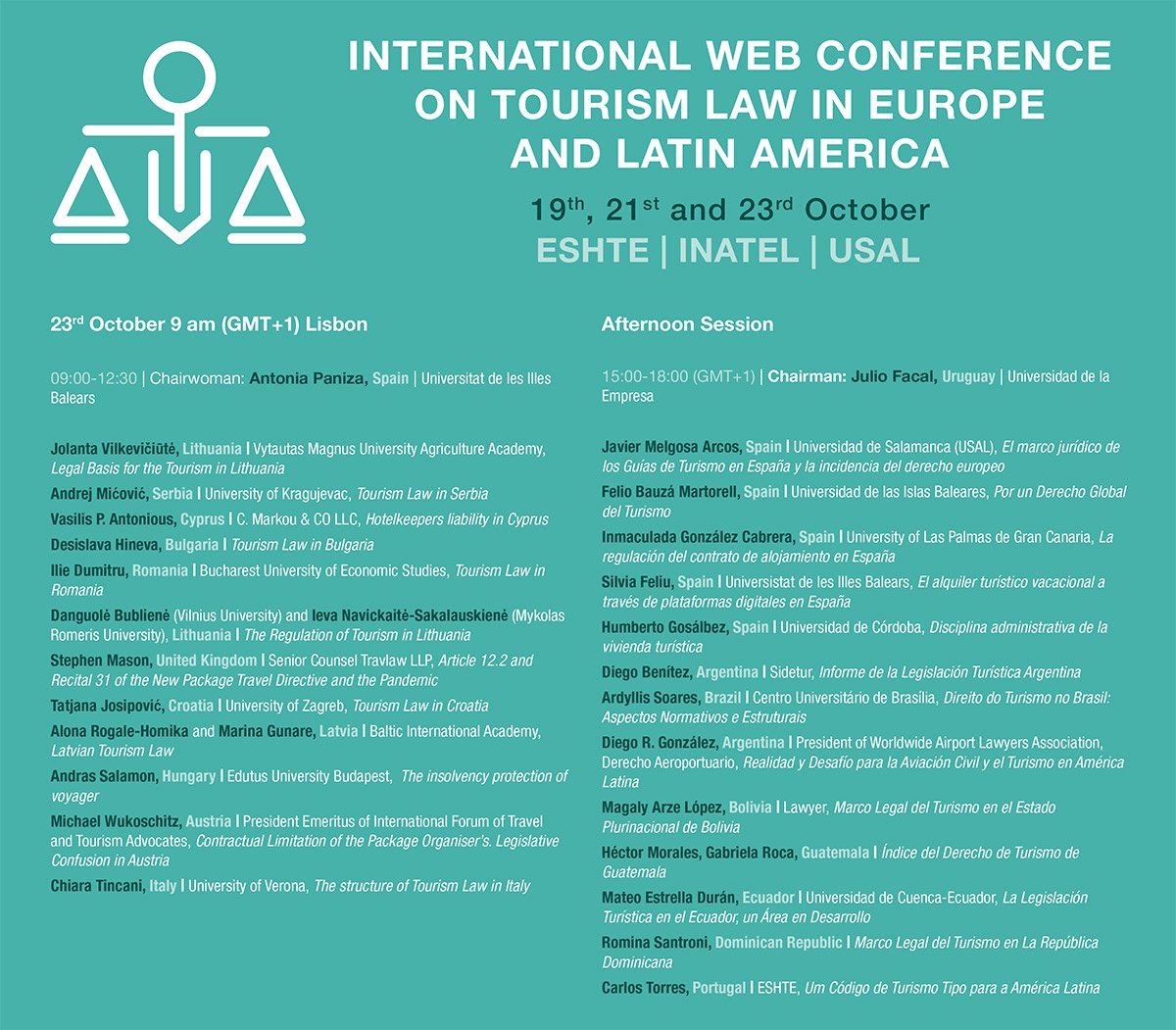
On 23rd October of 2020, the Lawyer of our office Vasilis P. Antoniou participated in the International Web Conference on “Tourism Law in Europe and Latin America”. The conference was attended by a large number of speakers from EU Member States, as well as from Latin America, who analysed various aspects of the Tourism, Travel and Hospitality Law in their countries.

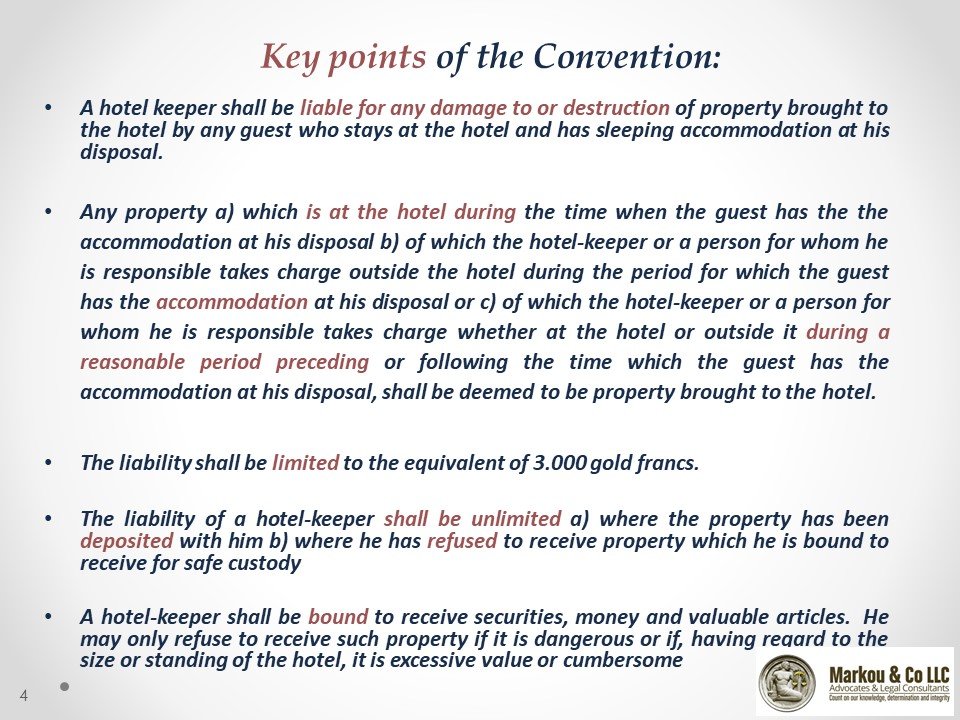
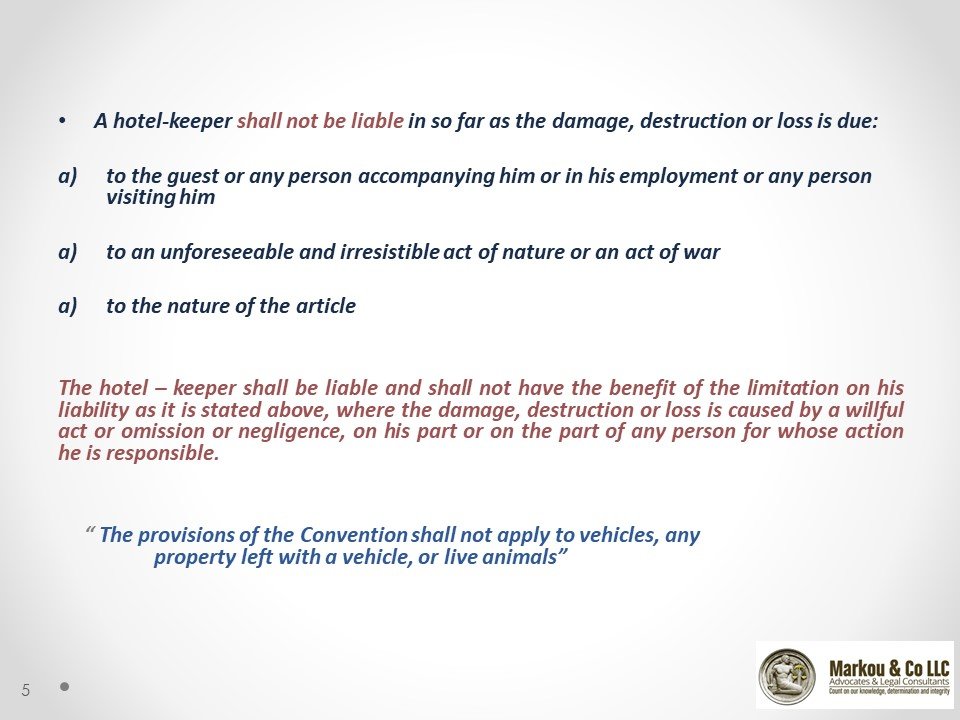
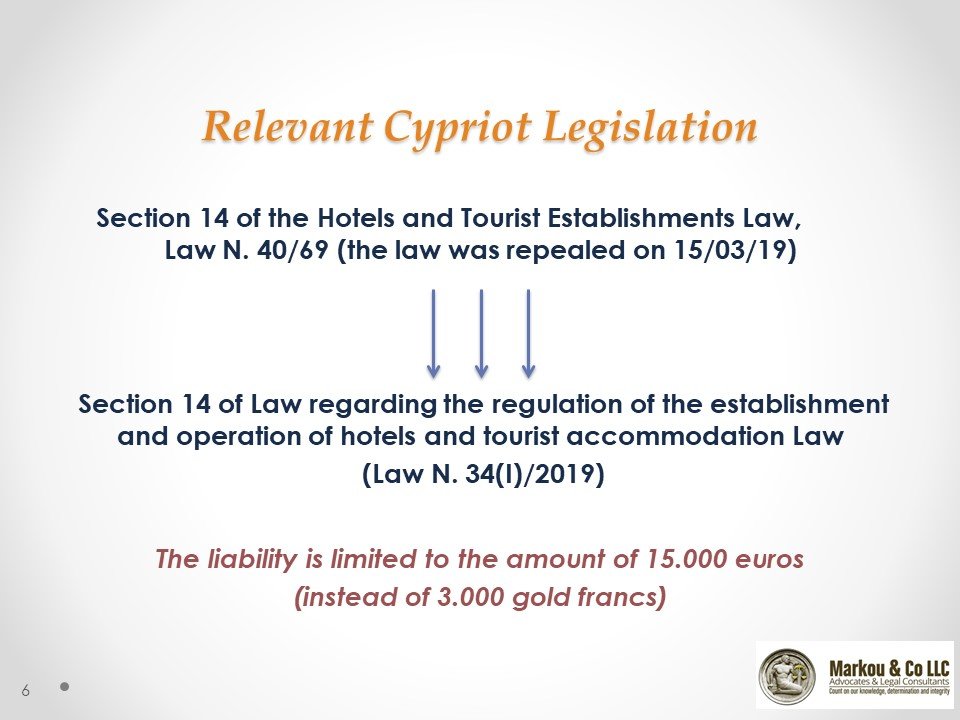
Vasilis Antoniou, presented the legal framework of the Hotel-keepers strict liability, concerning the property of their guests in Cyprus and the EU. He briefly analysed the EU convention which regulates this issue and he also presented the Cypriot legal framework which ratifies and also includes the basic principles of the above convention, as well as the relevant Cypriot case law. Finally, he also participated in a live debate with speakers from other EU member states in which they briefly discussed issues arising nowadays due to COVID-19 pandemic, which has a serious impact both to the consumers and to all of the stakeholders of the tourism industry (airlines, travel agents etc.)

Αποζημιώσεις συνεπεία τροχαίου και προυπάρχοντα ασυμπτωματικά προβλήματα του ζημιωθέντος

Είναι γνωστό στο δίκαιο του αστικού αδικήματος της αμέλειας ότι ο αδικοπραγών (και/ή η ασφαλιστική του εταιρεία) ευθύνεται να αποζημιώσει ακόμα και εάν τα προβλήματα τους ζημιωθέντος δεν προκλήθηκαν από το ατύχημα αλλά απλά επιδεινώθηκαν συνεπεία αυτού. Το Ανώτατο Δικαστήριο Κύπρου σε πρόσφατη σχετικά απόφασή του εφάρμοσε την αρχή αυτή για να καταλήξει στο ότι η μαρτυρία του ζημιωθέντος ότι αυτός υπέφερε από πόνους και άλλα συμπτώματα στον σπόνδυλο μετά το ατύχημα ενώ προηγουμένως το υπάρχον πρόβλημα του στη σπονδυλική στήλη ήταν ασυμπτωματικό έπρεπε να λειτουργήσει αυξητικά επί του ύψους των αποζημιώσεων που επιδικάστηκαν προς όφελος του πρωτοδίκως. Αύξησε έτσι το ποσό των γενικών αποζημιώσεων στις 10.000 ευρώ. Η απόφαση είναι η ΚΑΛΛΗ ν. ΑΓΑΘΩΝΟΣ, Πολιτική Έφεση Αρ. 327/2012, 25/9/2019.

Συνάγεται ότι το γεγονός ότι μια ακτινογραφία δείχνει ότι το θύμα τροχαίου έπασχε από προβλήματα στη σπονδυλική στήλη, στον αυχένα, στα γόνατα ή άλλου πριν το ατύχημα ή ότι έπασχε από κάποιο χρόνιο πρόβλημα, δεν σημαίνει κατ’ ανάγκη ότι δεν δικαιούται σε αποζημίωση ή ότι η αποζημίωση του θα πρέπει να είναι χαμηλή.

Εάν είστε θύμα τροχαίου σε οποιαδήποτε πόλη της ελεύθερης Κύπρου και θέλετε να γνωρίζετε το δίκαιο ποσό αποζημίωσης που δικαιούστε εξωδίκως ή αν πρέπει να προχωρήσετε με αγωγή στο δικαστήριο, μπορείτε να επικοινωνήσετε μαζί μας για να λάβετε σχετική ενημέρωση χωρίς υποχρέωση.

1 5 6 7 8 9 15
error: Content is protected !!